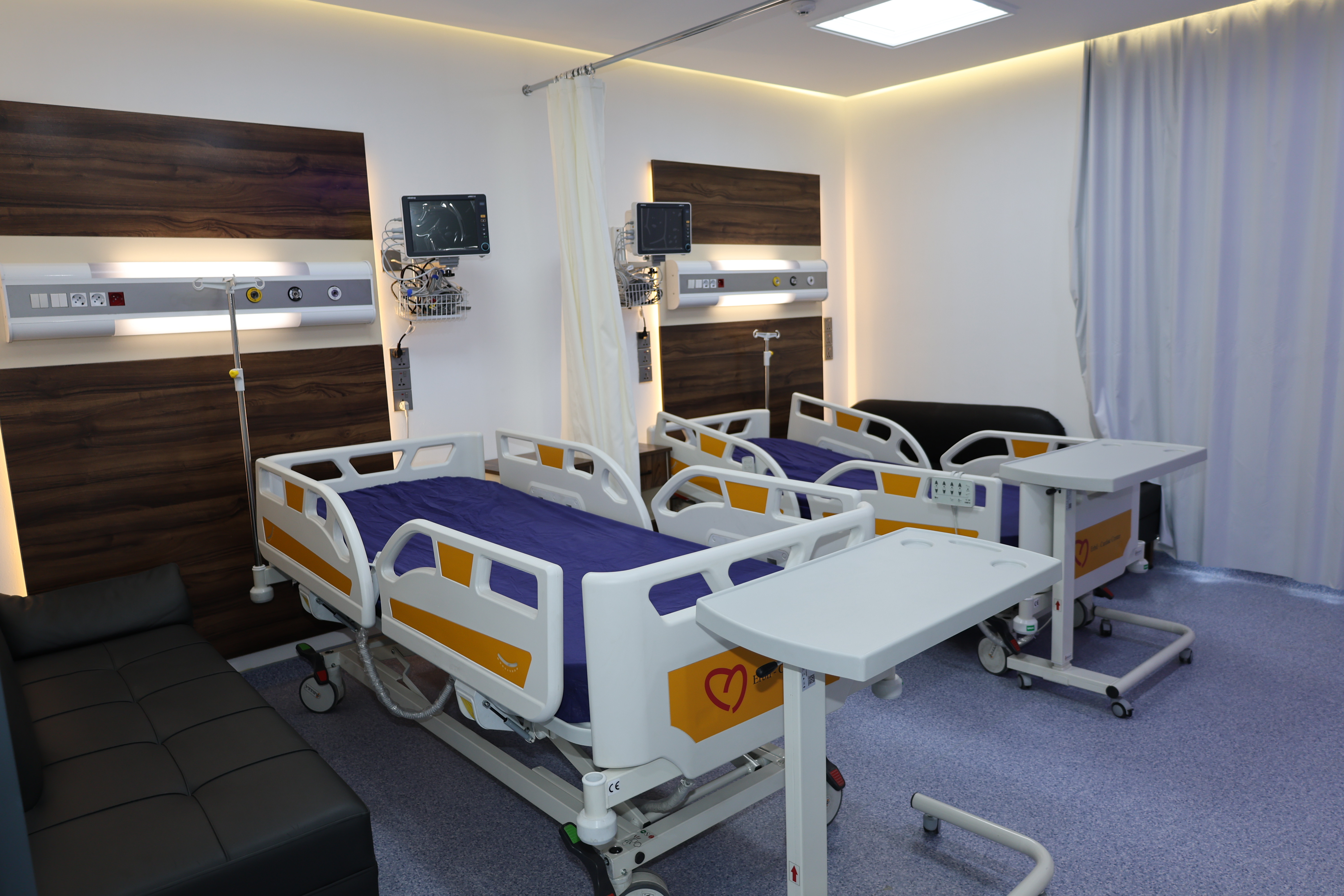
Department Overview
About the Department
The Pediatric Cardiology Department specializes in the diagnosis, treatment and long-term management of heart conditions
in infants, children and adolescents. The team provides comprehensive care for congenital heart defects, acquired heart
disease, arrhythmias and other cardiovascular problems unique to young patients.
Child-friendly diagnostic tools and tailored treatment strategies are used in close partnership with families to ensure the best possible cardiac outcomes and a supportive care experience.
Our Team
The team includes specialized pediatric cardiologists and trainees who:
- Perform advanced diagnostics such as pediatric echocardiography and cardiac catheterization.
- Provide both diagnostic catheterization (e.g. hemodynamic assessment) and interventional procedures (defect closure, balloon dilatation).
- Work with nurses experienced in pediatric cardiac care and administrative staff who coordinate clinics and family support.
Education, Training & Accreditation
The Pediatric Cardiology Department has a strong academic mission and is recognized and accredited by:
- Kurdistan Board for Medical Specialties
- Iraqi Board of Medical Specializations
- Arab Board of Health Specializations
Our academic activities include pediatric cardiology residency and fellowship training, teaching of undergraduate medical students, scientific seminars, case discussions and academic rounds in collaboration with universities and health institutions.
Health Information for Parents
We encourage parents and caregivers to participate actively in their child's care. Key points include:
- Arriving on time for appointments and informing the team early if rescheduling is needed.
- Following medication instructions carefully and asking whenever something is unclear.
- Monitoring warning signs such as fast or difficult breathing, bluish lips or nails, poor feeding or weight gain, unusual tiredness, chest pain or fainting spells.
Our team is available to support families and answer questions at every step of the journey.